NHS Digital
Improving patient contact accuracy across NHS services.
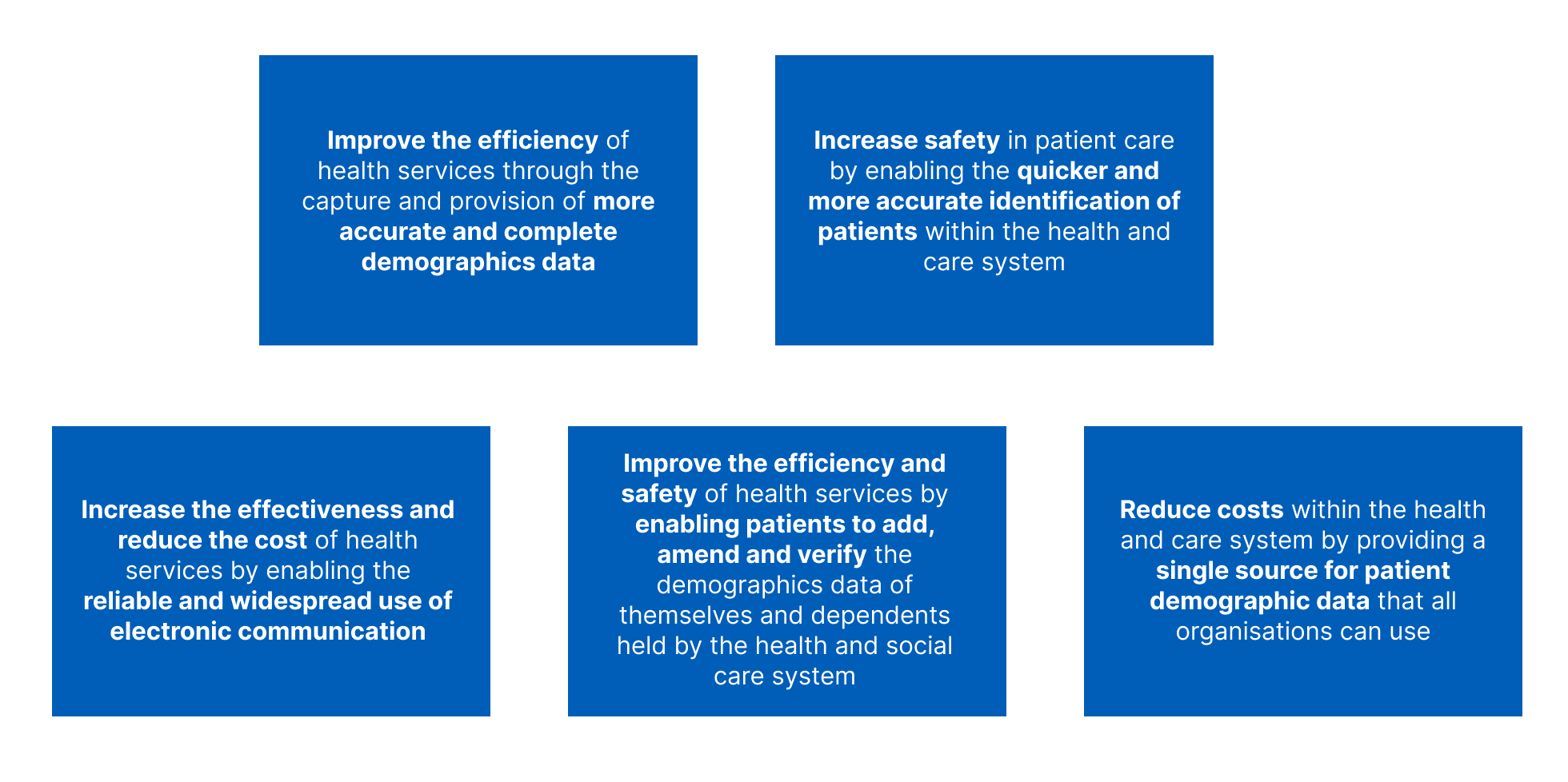
Leading design for a national NHS service helping citizens review and update their contact details, supporting more accurate patient records across healthcare services.
The challenge.
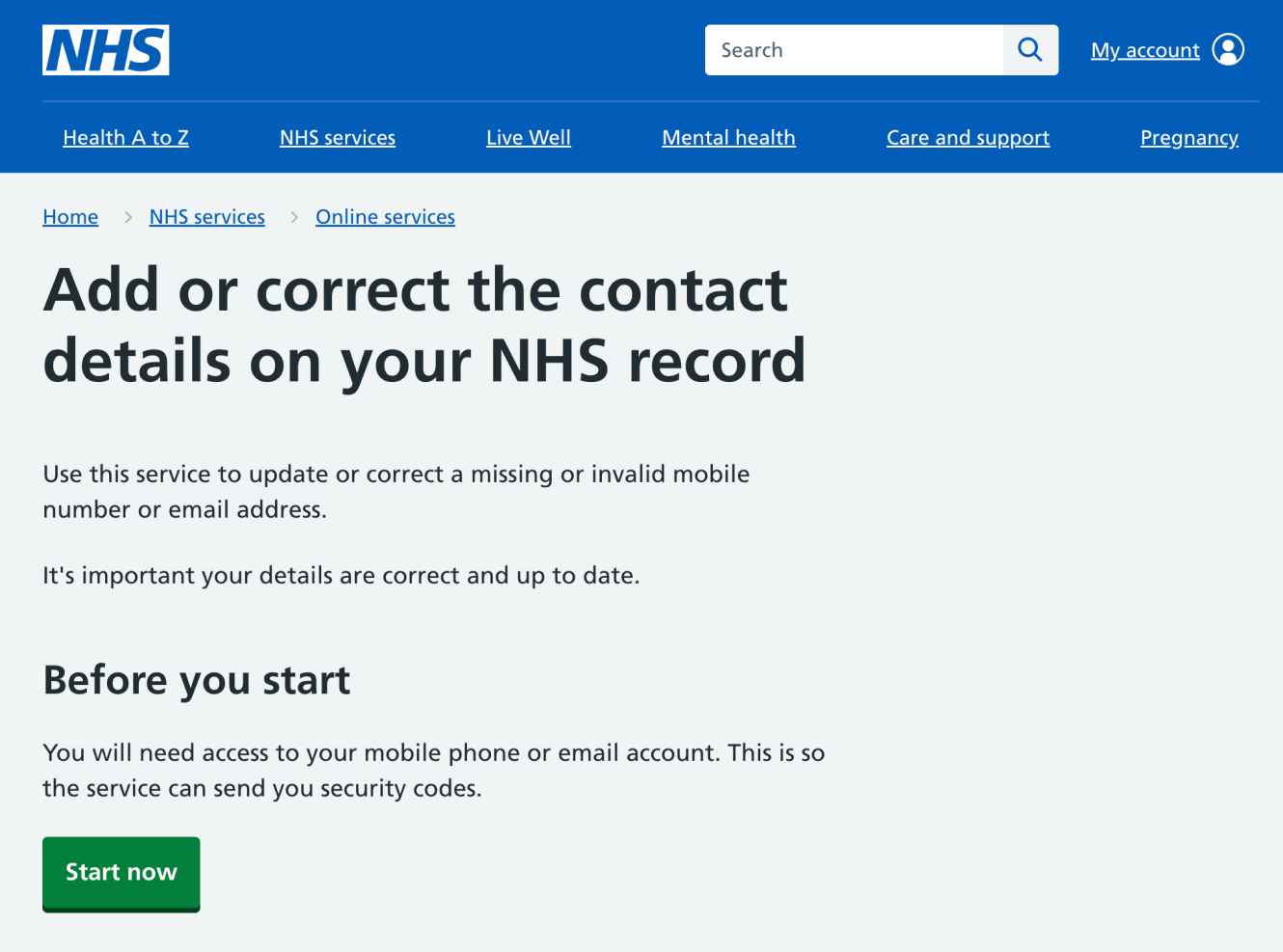
NHS Digital identified a major issue with the accuracy of patient contact information. Millions of records contained outdated or missing email addresses and phone numbers, affecting how services communicated with patients.
The programme set out to create a national service allowing citizens to securely review and update their details, but delivery had already begun without a clear user-centred design foundation.
When I joined, discovery work had progressed without strong user validation, two consultancies were working together under different scopes and stakeholders were heavily focused on deadlines and maintaining delivery momentum.
The challenge wasn't simply designing a new journey.
It was helping a complex programme reconnect delivery decisions with user needs and evidence.
Leading the programme.
I was brought in through Hippo Digital to lead interaction and service design across the programme.
Although my official title was Lead Interaction Designer, the role involved guiding the overall design approach, supporting the wider design team and rebuilding stakeholder confidence in the programme direction.
I introduced a structured approach to identifying assumptions and risks, connecting them directly to user needs, evidence and delivery decisions. This helped move conversations away from opinion and towards a clearer understanding of what the programme needed to learn.
The work included:
- Leading interaction and service design across Discovery and Alpha.
- Managing and supporting a small multidisciplinary design team.
- Facilitating alignment workshops across delivery teams.
- Creating a shared roadmap connecting design work with delivery milestones.
- Working closely with NHS Login identity and verification teams.
A significant part of the role involved creating clarity between teams with different responsibilities, priorities and expectations.
Designing with evidence.
Alongside stabilising the programme, I led the design of the citizen experience.
The goal was to create a simple and accessible journey that allowed patients to review and update their contact details with confidence, while ensuring design decisions were grounded in evidence rather than assumptions.
The work included:
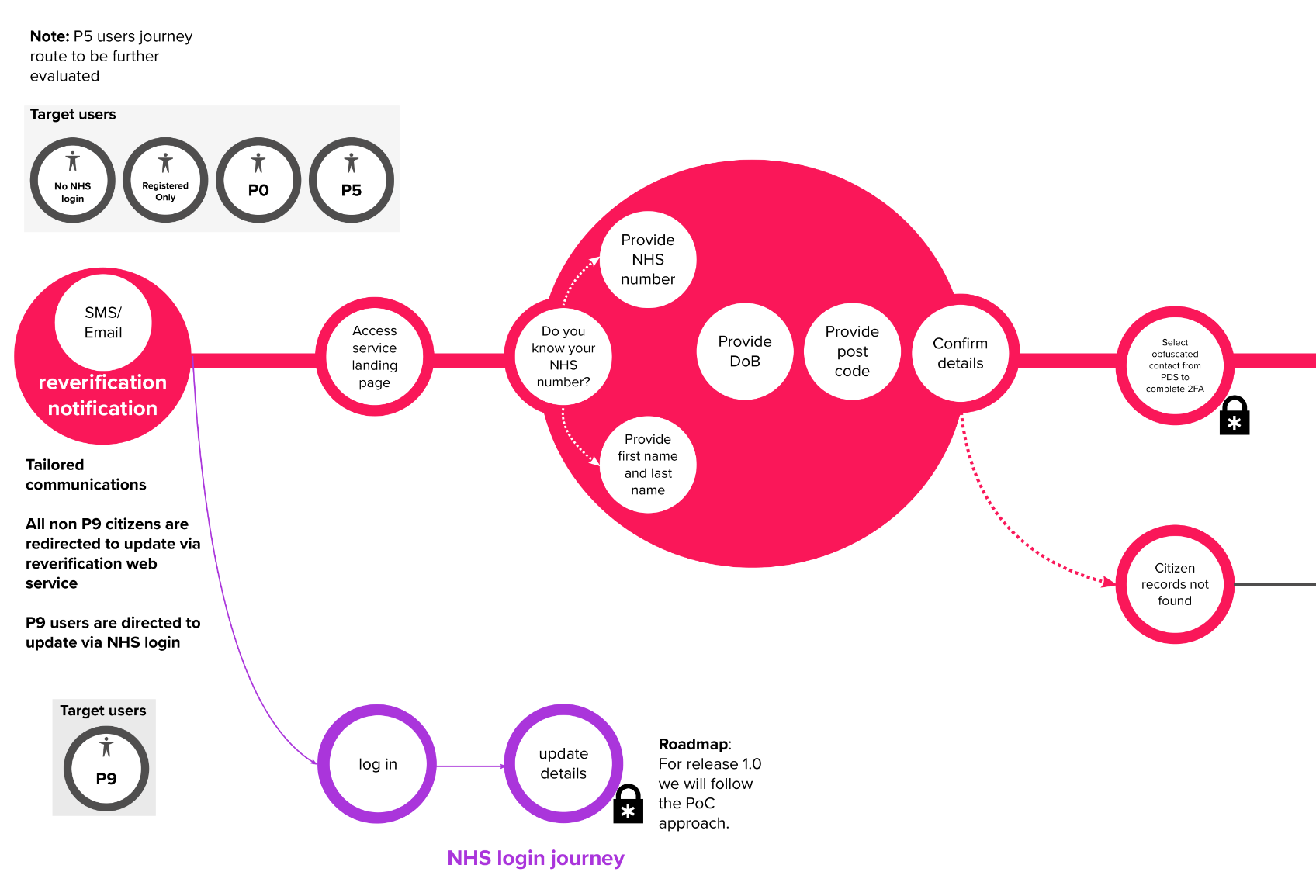
- Mapping the end-to-end service journey.
- Simplifying fragmented workflows across NHS systems.
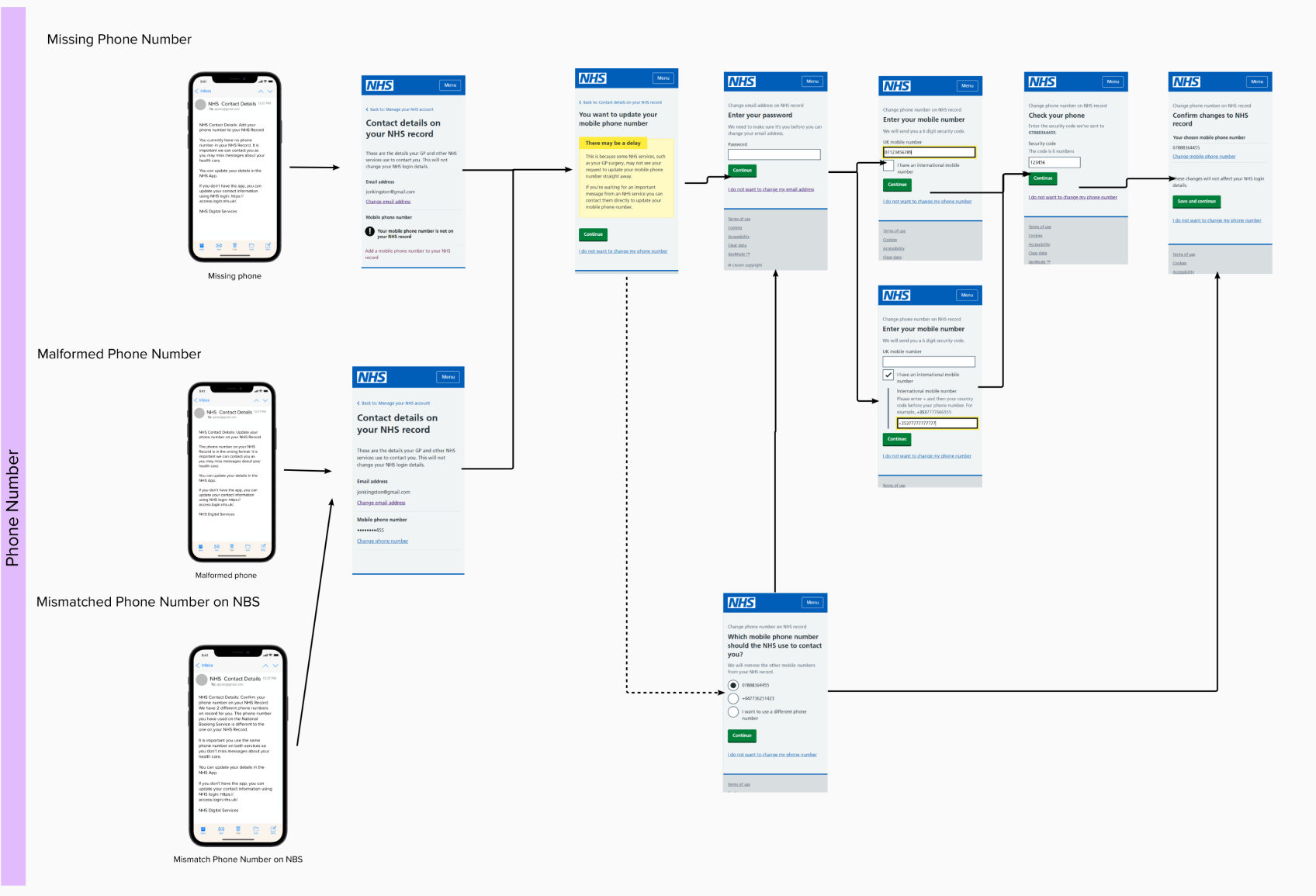
- Designing accessible user flows for a wide range of users.
- Developing prototypes for research and stakeholder decision-making.
- Aligning the service with NHS design patterns and identity flows.
Prototypes became an important communication tool. They helped stakeholders understand how the service might work, exposed gaps in the programme's assumptions and created something tangible that could be tested before further delivery decisions were made.
The biggest improvement wasn't visual. It was giving the programme a shared understanding of the service it was trying to build.
Outcomes.
The programme successfully passed its Discovery and Alpha service assessments, establishing a clearer path for continued delivery.
The work delivered:
- A validated service design addressing a major patient data challenge.
- A working prototype demonstrating the service from end to end.
- Improved collaboration between design, delivery and policy teams.
- Greater stakeholder confidence in the programme direction.
- A roadmap supporting continued development of the service.
More importantly, the programme moved from an unstable early phase towards a stronger foundation built around shared evidence, clearer decisions and a better understanding of its users.
Looking back.
This project reinforced how important design leadership can be within complex delivery environments.
When delivery pressure is high and teams are misaligned, design can play a critical role in connecting user needs with operational realities.
In this programme, the role extended far beyond designing interfaces. Much of the work involved stabilising the team, rebuilding trust in design and helping people make decisions with greater clarity and confidence.
The lesson I've carried forward is that progress doesn't always come from producing more design.
Sometimes it comes from helping a programme replace assumptions with evidence.